Project
Two Studies, One Mission
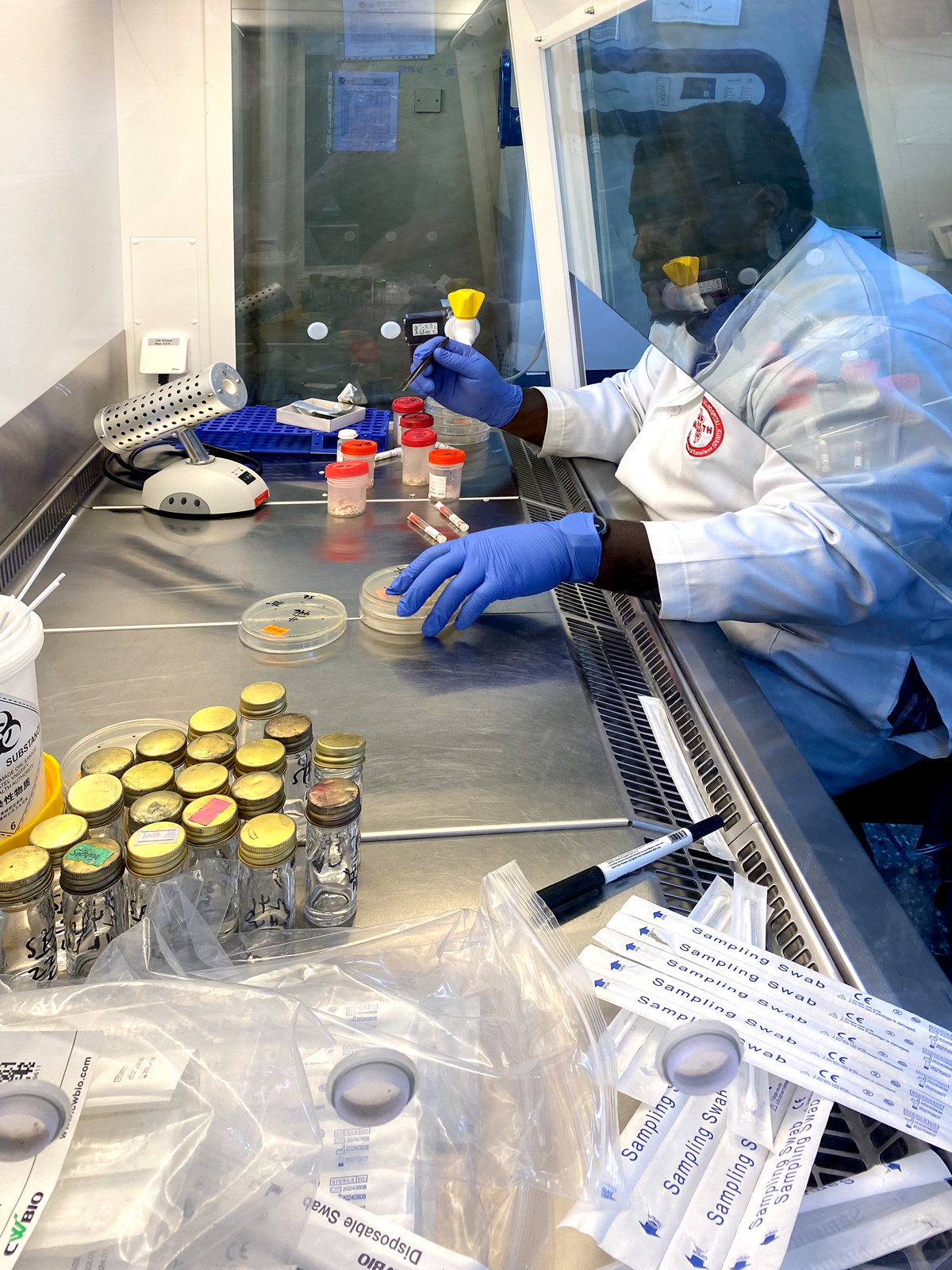
ASPIRE, funded by EDCTP, targets to optimize antimicrobial stewardship (AMS) through drug resistance information, therapeutic drug monitoring (TDM), as well as improved infection prevention control (IPC) measures to reduce the burden of healthcare-associated infections (HAI), optimized antibiotic drug dosing, and subsequently the spread of antimicrobial resistance (AMR).
Antibiotic resistance is a major challenge in many African countries, particularly when bacteria become resistant to multiple drugs. These infections, often acquired in hospitals, can lead to longer stays, higher healthcare costs, and more serious illness. Overuse of antibiotics and gaps in infection prevention make it easier for resistant bacteria to spread, highlighting the urgent need for smarter antibiotic use and stronger infection control.
As part of a comprehensive research project, two complementary studies are being conducted in 4 tertiary University Hospitals in Ethiopia and Ghana. While each study is performed independently, together they work synergistically toward the shared goal of combating antimicrobial resistance and improving patient care.
Study 1: Reduction of Hospital Acquired infection (HAI) by Infection Prevention Control (IPC): ASPIRE IPC
The first study focuses on reducing infections acquired in hospitals. Researchers are testing enhanced infection control measures—such as better hand hygiene, careful management of medical devices, and staff training—by comparing hospital wards using standard practices with those implementing these improvements. Within a cluster randomized study design, hospital wards (medical, surgical, ICU) gradually transition from standard of care as control to enhanced IPC intervention procedures. The primary endpoint is to assess HAI rates between control and intervention. The aim is to identify feasible, adapted and cost-effective strategies to lower infection rates, protect patients, and inform hospital policies for safer care.
Study 2: Therapeutic Drug Monitoring (TDM), Antibiotic Treatment Optimization and Stewardship: ASPIRE TDM
The second study focuses on improving antibiotic treatment effectiveness. Patients diagnosed with severe Gram-negative bacterial disease receiving empiric antibiotics treatment receive microbiology diagnostics and therapeutic drug monitoring. Obtaining PK-PD target (PDT) attainment will be assessed towards antibiotic treatment optimization in the context of clinical disease progression and outcome. Antibiotic stewardship team will consult clinical, microbiology and pharmacological variables for informed treatment recommendation and modification. The primary endpoint includes the proportion of subtherapeutic PDT attainment leading to antibiotic treatment optimization. The aim is to obtained guidance on current empiric antibiotic drug recommendation and dosing in the context growing AMR for critical ill patients with bacterial disease. We target to enhance informed multi-disciplinary ABS procedures, and aim to support the development of predicted pharmacodynamic target attainment (PTA) based on circulating bacterial strains and antibiotic drug levels in the African context.
Together, these studies provide a holistic approach: one targets the prevention of infections, while the other optimizes treatment when infections occur. By combining insights from both, the project aims to generate evidence-based strategies that help hospitals reduce infections, improve patient outcomes, and slow the spread of drug-resistant bacteria across the region.